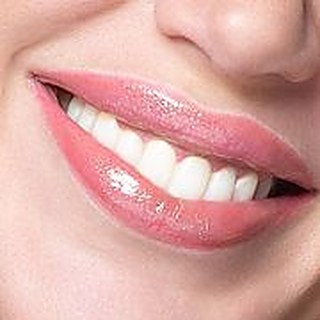
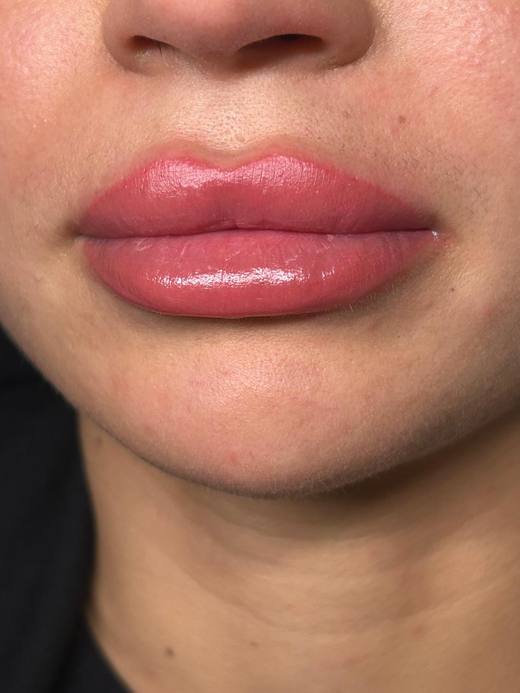
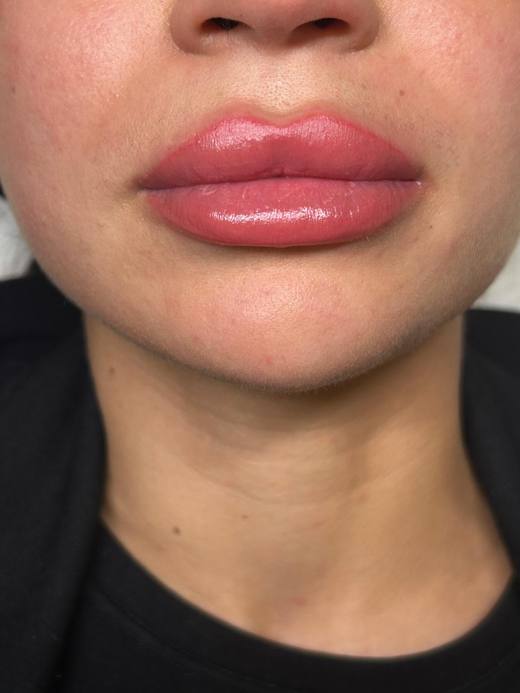
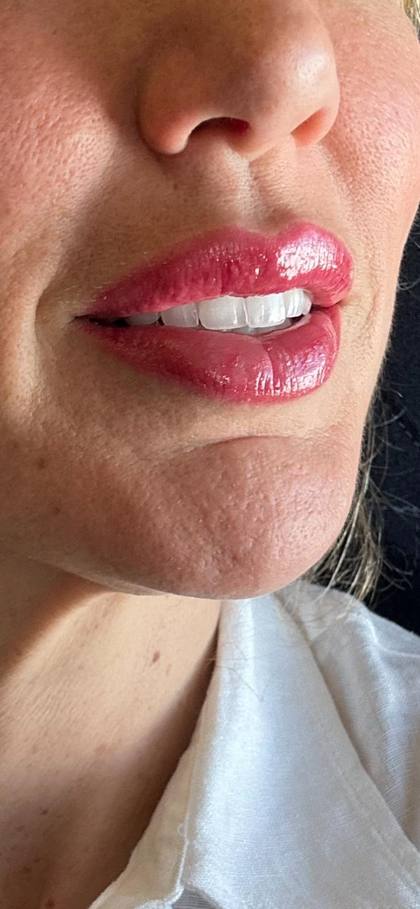
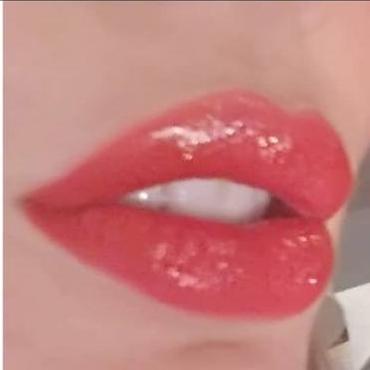
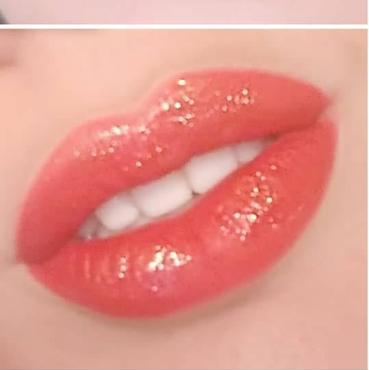
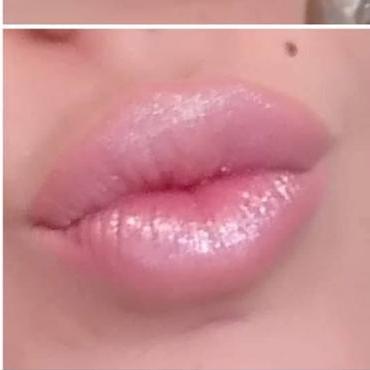
Evening out the volume, redefining the contour, reviving the colour — for a naturally inviting mouth, day and night. A mouth redrawn, a shade brought back to life — while staying entirely natural.
A gentle treatment
Precision, hygiene, immediate result
Lip dermopigmentation gently implants medical pigments into the dermis using very fine, sterile, single-use needles. The pigments meet European standards and are mineral-based, with no risk of allergy.
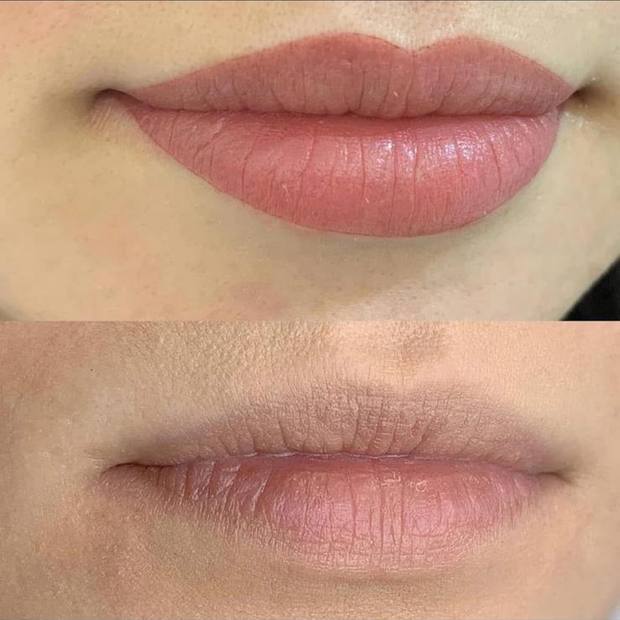
The shape is first drawn on with a pencil; pigmentation only begins once we agree on it, under impeccably aseptic conditions. The treatment can feel uncomfortable, but it is never painful. Photographs are taken before and after, and the result is immediate.
Slight swelling and redness last for 24 hours. During the first week the shade looks darker than the one chosen, then lightens within 15 days and settles within a month: the ideal moment for the touch-up.
The treatments
As every face is unique, all of these treatments, and the touch-up, are quoted individually after an initial conversation.
Restoring skin through colour — revealing beauty, refining features.
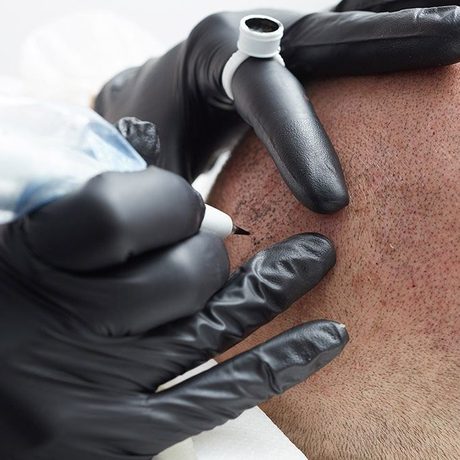
Semi-permanent makeup is the gentle implantation of pigments into the dermis using one or several needles. The procedure is the same as tattooing, but with a specific technique and specific pigments.
The pigments used meet European standards: medical, mineral-based pigments (iron oxide, titanium dioxide) that carry no risk of allergy and offer complete non-toxicity, stability in light, extreme insolubility and metabolic inertness.
Beforehand, the shape is drawn on with a pencil; once we agree on it, the pigments are applied under impeccably aseptic conditions. The pigment is placed beneath the surface of the skin, in the dermis, using very fine, sterile, single-use needles. The treatment can feel uncomfortable, but it is never painful. Photographs are taken before and after, and the result is immediate.
Step by step
Treatment takes one or several sessions depending on the area. Slight swelling and redness last for 24 hours afterwards. Over the following week the skin flakes naturally and the shade looks darker than the one chosen: it lightens within 15 days and settles within a month. That is the moment for a check-up, usually with a touch-up.
The pigments settle within the 3 to 4 weeks following the first session; a second pass a month later perfects the result and fixes the pigments. The colour fading over time is normal, as the epidermis renews itself: ideally the colour is refreshed every one to two years, depending on the person. It is in fact preferable that pigments do not last a lifetime, since features, proportions and fashions change over the years.
Rejuvenating the face
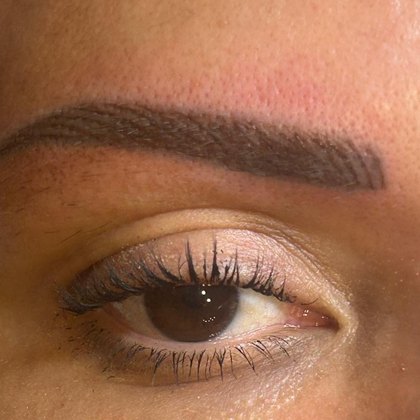
Rebuilding sparse or absent eyebrows, filling in gaps, concealing a scar, lifting the tail of the brow for a subtle lifting effect and restoring symmetry.
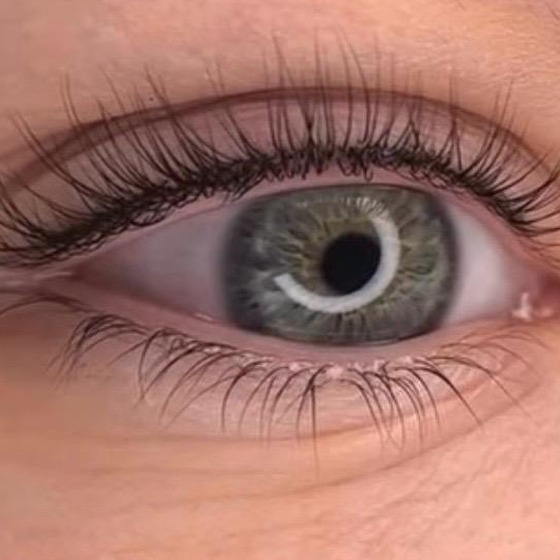
Adding intensity to the eyes with eyeliner, drawing a fine line at the outer corner to make the gaze deeper and more alluring.
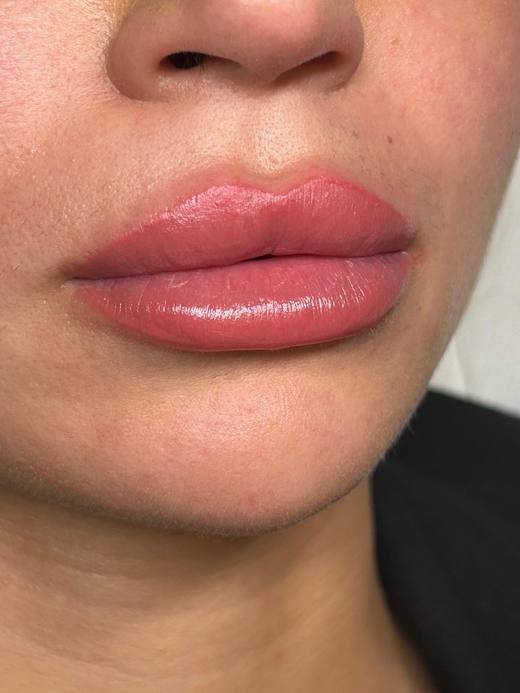
Evening out the volume of the lips, redefining the contour, reviving a mucosa that has lost its colour and adding a veil of colour to make them fuller and more inviting.
Techniques for a natural result
Dot by dot, shaded, or as a veil of colour.
Hair-by-hair strokes (grifting), particularly for the eyebrows.
Gradient shading for the lips.
Lash liner: densifying the lash line, dot by dot, between the lashes.
Scar camouflage, and trompe-l'œil work to recreate an areola and nipple.
Soft shading over bare areas of the scalp or between grafts, after hair transplants.
Who long-lasting makeup is for
For women who want to combine comfort and beauty, for those who are allergic to cosmetics, for those wishing to correct an asymmetry or a small imperfection, or simply to look their best in any circumstance without the constraints of makeup. It is also for people who lose their hair following chemotherapy, and for those who are visually impaired. Many people also come to have earlier work corrected: there is always a way to lighten an area as much as possible and camouflage it in a skin tone, so the makeup can be redrawn in the right colour.
Restorative dermopigmentation
We extend the field to reconstructive purposes: treating scar tissue left by cosmetic surgery (facelift, breast surgery) and by reconstructive surgery (after an accident, an illness or a congenital difference), with all the safety of the medical setting in which we practise. Medical dermography conceals scars by softening differences in skin colour; it can sometimes be the finishing touch to a surgical procedure.
“This art calls for a great deal of love: it demands asepsis, hygiene, great precision, self-control, gentleness, perfectionism and artistic talent.”
We always recommend a natural, discreet result: it can always be intensified at the touch-up.
The treatments
As every face and every skin is unique, all of these treatments, and the touch-up, are quoted individually after an initial conversation.
Lips
Eyebrows
Eyeliner & lash enhancement
Light flash, Cupid’s bow, brow bone or eyelids
Freckles
Beauty mark
Breasts, scars, correction of previous work
Hair
Ariane Michel
Clinique Eiffel
6 Sq. Pétrarque, 75016 Paris — 06 12 11 45 45
Ariane dermographe
Request a quote
Photographs may be needed in order to prepare a quote.
Ariane will explain how to send them to her in complete confidence
during your first conversation.